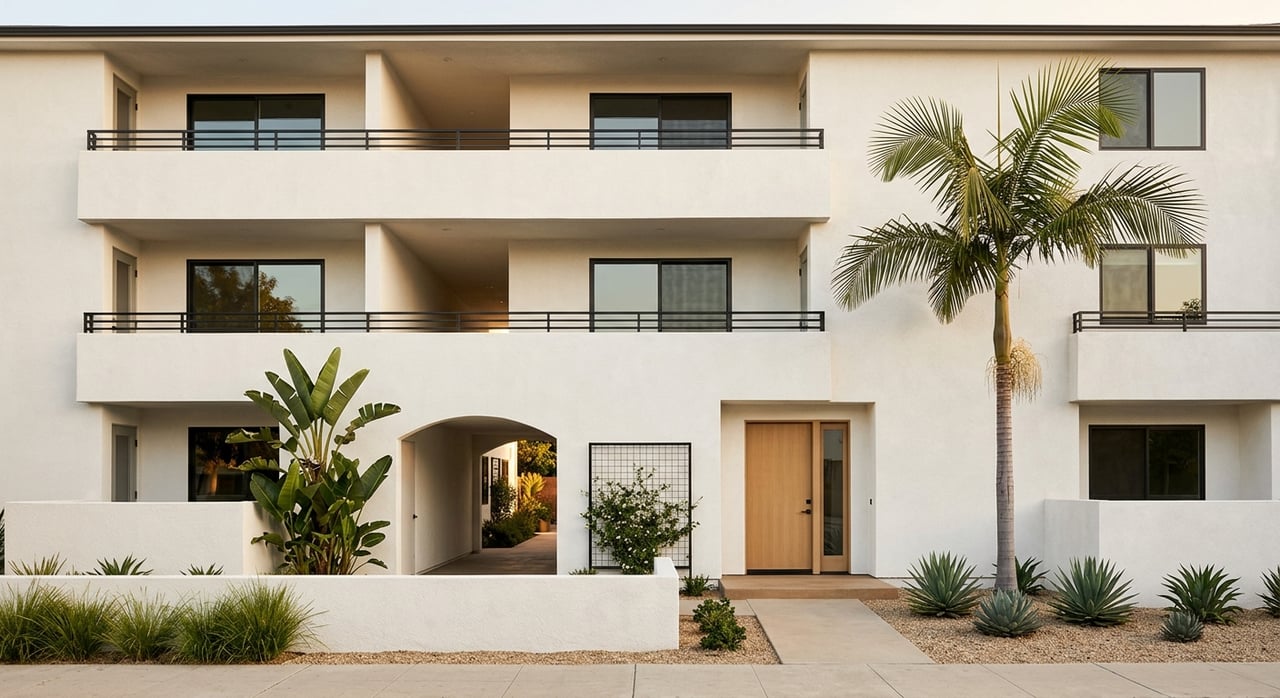
Palms Los Angeles Condo Living: Apartment & Condo Options
If you want Westside access without limiting yourself to a single housing style, Palms deserves a closer look. This compact Los Angeles neighborhood gives you a condo- and apartment-focused housing mix, strong transit access, and a practical position between Culver City, West LA, and other nearby hubs. Whether you are renting now, planning to buy later, or comparing both paths, understanding how Palms is built and priced can help you make a smarter move. Let’s dive in.
Palms is a compact Westside neighborhood located about 10 miles west of Downtown Los Angeles. It sits directly north of Culver City, with Rancho Park and West LA to the north and Mar Vista to the west. That location makes it a useful in-between spot if you want access to several parts of the Westside without feeling cut off from the rest of Los Angeles.
The neighborhood is also shaped differently than many nearby areas. The Palms neighborhood pattern leans heavily toward multifamily housing, which means condos and apartments are a central part of the local market rather than an afterthought. If you are looking for attached housing with practical access to daily errands, commute options, and nearby activity centers, that setup can work in your favor.
City Planning describes Palms as an area with concentrated medium- and high-scale multi-unit development, especially east of Sawtelle Boulevard. Across the broader community plan area, 74% of housing units are in multiple-housing structures. In plain terms, this is a neighborhood where apartment buildings, condos, and other attached homes make up much of the housing supply.
You will also see a mix of building eras. Apartment buildings from the 1950s remain part of the neighborhood fabric, alongside older architectural styles and newer infill development. That means your choices may range from simpler mid-century units to newer communities with more updated finishes and amenities.
For many buyers and renters, this variety is part of Palms’ appeal. You are not choosing between only one type of building or one price point. Instead, you can compare older stock that may offer value or character against newer options that often focus more on convenience and shared amenities.
Palms is a renter-heavy neighborhood. RentCafe reports that 79% of households are renter-occupied, while 21% are owner-occupied. That renter presence lines up with the neighborhood’s multifamily layout and helps explain why apartments are such a visible part of the local housing market.
The average apartment size in Palms is 754 square feet. That number will not tell you everything about a specific property, but it does give you a useful starting point if you are trying to picture the typical rental footprint in the area. In Palms, many renters are balancing location, layout, and access rather than searching for large lots or expansive outdoor space.
Current neighborhood data places average rent in Palms at $2,819. By unit type, the averages are:
These numbers show a clear pricing ladder. Studios tend to be the most approachable entry point, while two-bedroom units move into the mid-$3,000s. If you are setting a budget, Palms often makes the most sense when you are comparing convenience, commute savings, and unit features alongside monthly rent.
If you are deciding between nearby neighborhoods, Palms may offer a more affordable rental option than Culver City. Average rent in Culver City is reported at $3,261, compared with $2,819 in Palms. One- and two-bedroom averages are also higher in Culver City.
That does not automatically make Palms the right fit for everyone, but it does mean you may be able to stay on the Westside with a lower monthly rent than in some neighboring areas. For many renters, that tradeoff is worth a closer look.
On the ownership side, Palms is active but relatively tight on inventory. Realtor.com reports a median listing price of $1.25 million with 57 homes for sale and a 99% sale-to-list ratio. Zillow reports a median list price of $1,294,000 with 39 active listings.
The exact figures vary by source, but the message is consistent. Palms is not an unlimited-inventory market, and buyers should expect competition. If you are shopping for a condo here, preparation matters, especially when a well-located or well-updated unit hits the market.
For first-time buyers on the Westside, Palms can be an important option to study. The neighborhood’s attached housing profile may create opportunities for condo buyers who want Westside ownership and transit access, even if single-family options nearby feel out of reach.
When comparing Palms condos, focus on the details that shape day-to-day value:
In a neighborhood like Palms, convenience features can make a big difference. A well-positioned condo near transit or daily services may fit your lifestyle better than a larger unit that feels less connected.
Current rental listings in Palms often highlight practical amenities that match the neighborhood’s multifamily identity. Common features include pool access, fitness centers, controlled access, in-unit laundry, and pet-friendly policies. In more amenity-forward properties, you may also see rooftop decks, EV charging, bike storage, package lockers, clubrooms, spas, saunas, and garages.
This matters because not all Palms housing delivers value in the same way. Some buildings may win on price or location, while others stand out for shared amenities and newer finishes. As you compare options, it helps to think about which conveniences you will actually use rather than paying extra for features that sound good but do not improve your routine.
Transportation is one of Palms’ strongest selling points. The Metro E Line includes a stop in Palms, and the line runs from East Los Angeles to Santa Monica. For buyers and renters who want another way to move across the city, that rail access can be a major advantage.
Palms also benefits from direct access to the I-10 and I-405. That makes the neighborhood especially practical if your schedule regularly pulls you between the Westside, Culver City, and other parts of Los Angeles. In a city where time and mobility matter, location can carry real value.
For people who prefer more than just car access, Palms also connects to local bike routes and recreational paths, including the Ballona Creek Bike Path and Culver Boulevard Bike Path. That broader mix of transportation options supports the neighborhood’s more connected, multi-modal feel.
Because Palms is so multifamily-oriented, the best choice is often less about lot size and more about balance. You may be weighing unit size against parking, building age against amenities, or monthly rent against transit convenience. That is normal in a neighborhood built around condos and apartments.
A helpful way to compare options is to rank your priorities before you tour or apply. Ask yourself:
These questions can quickly narrow the field. In Palms, the best match is often the property that supports your daily routine, not just the one with the most polished marketing photos.
Palms offers something many Westside shoppers are looking for: access, density, and a housing mix centered on attached living. It is close to Culver City and West LA, tied into transit, and filled with housing options that reflect how many people actually live on the Westside today.
For renters, that can mean a broader set of apartment choices and pricing that compares favorably with nearby Culver City. For buyers, it can mean a realistic entry point into Westside ownership through condo living. In both cases, Palms works best when you understand the neighborhood on its own terms.
If you are considering a move in or around the Westside, experienced local guidance can make comparing neighborhoods much easier. When you are ready to talk through condo options, rental alternatives, or your next move, connect with Terry Ballentine.
With more than 50 years in Westside real estate, Terry Ballentine offers unmatched expertise in Marina del Rey, Venice, and nearby coastal communities. He provides personalized guidance for buyers, sellers, and investors, earning long-term trust and repeat clients. Terry’s hands-on approach and deep local knowledge ensure every transaction is handled with care and precision.
Terry Ballentine | CA DRE# 00588883
124 Washington Blvd Marina Del Rey, CA 90292