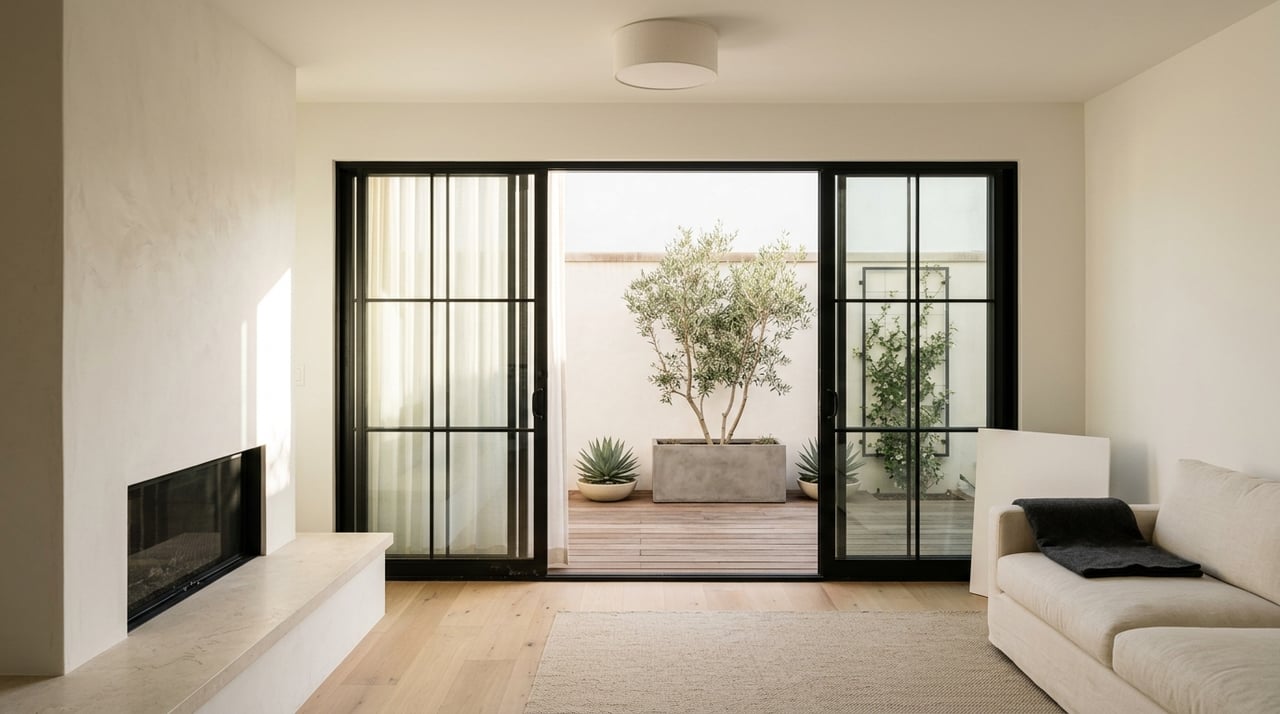
Santa Monica vs Venice Real Estate: Key Market Differences
Trying to choose between Santa Monica and Venice? On paper, both are premium beach markets on the Westside, but the day-to-day feel, housing mix, and current pricing can lead you in very different directions. If you want a clear, practical comparison before you start touring homes, this breakdown will help you understand how these two coastal markets stack up and where your budget may go further. Let’s dive in.
Santa Monica and Venice are both high-demand coastal neighborhoods, but current market snapshots show meaningful differences. Redfin’s March 2026 data places Santa Monica’s median sale price at $1.5645 million and Venice at $1.8875 million. That puts Venice higher on recent sale pricing, even though both markets have softened from a year earlier.
Zillow’s April 30, 2026 value index shows Santa Monica’s average home value at $1.7119 million, down 0.3% year over year. In short, both remain firmly premium markets, but Santa Monica currently comes in below Venice on key pricing benchmarks.
Recent listing data also helps show how each market is moving. Realtor.com’s March 2026 snapshot shows 350 active listings in Santa Monica compared with 280 active listings in Venice. Santa Monica had a median list price of $1.80 million and 46 days on market, while Venice had a median list price of $2.30 million and 50 days on market.
The same snapshot labels Santa Monica a balanced market and Venice a buyer’s market. At the same time, Redfin describes both as somewhat competitive. The practical takeaway is simple: both markets are active, but neither is moving at the pace buyers saw during the peak frenzy of 2021 and 2022.
Santa Monica tends to offer a more urban and mixed-use housing profile, especially in central and downtown areas. City planning documents describe Downtown Santa Monica as a mixed-use urban neighborhood where a significant share of the city’s multifamily and mixed-use growth has concentrated. Newer residential and mixed-use projects have added more variety to the housing stock.
If you are looking for condos, apartments, or homes close to shopping, dining, and everyday services, Santa Monica often gives you more of that product type in a tighter area. That can be especially appealing if you want a home base with easier day-to-day convenience.
Venice feels more varied from block to block. Its Local Coastal Program preserves a mix of stable single-family areas, stable multi-family areas, and mixed-use commercial and residential districts. Planning documents specifically distinguish areas like the Venice Canals, Silver Strand, Southeast Venice, and Oxford Triangle from other subareas that allow more duplex and multi-family housing.
For you as a buyer, that means Venice often requires a more detailed, pocket-by-pocket search. Two homes with similar square footage can offer a very different setting depending on the street, subarea, and surrounding land use.
One of the biggest mistakes buyers make is comparing only the neighborhood name. In both Santa Monica and Venice, pricing can shift dramatically by subarea.
In Santa Monica, Realtor.com sample neighborhood pricing ranges from about $1.16 million in Mid-City to $4.32 million in North of Montana. In Venice, sample subareas range from about $1.58 million in Oxford Triangle to $2.98 million in Venice Beach, with Marina Peninsula around $2.65 million and East of Lincoln around $2.37 million.
That spread is important. Your best fit may not be “Santa Monica” or “Venice” in the broad sense. It may be a specific pocket within one of those markets that better matches your budget, commute, and preferred housing type.
Both areas are highly walkable. Walk Score rates Santa Monica and Venice at 83 out of 100, and both score 88 for biking. If your goal is a beach lifestyle with less reliance on a car, both neighborhoods can support that.
The difference shows up more in transit. Santa Monica has a Transit Score of 60, while Venice comes in at 52. Santa Monica’s city materials also highlight bus and rail access, especially in downtown and central areas, while Venice’s planning documents emphasize a pedestrian-oriented layout, historic walk streets, beach bike paths, and access along the California Coastal Trail.
In everyday terms, Santa Monica often feels a bit more transit-supported. Venice often feels more centered on walking and biking within its coastal core.
Santa Monica is a beach city of about 8.3 square miles with three miles of Pacific beaches. The city reports that tourism brings in more than 8 million visitors annually, and its daytime population swells to roughly 250,000.
Its public amenities are broad and polished. The Santa Monica Pier, Third Street Promenade, and Annenberg Community Beach House create a lifestyle that blends beach access with shopping, dining, recreation, and civic amenities. If you want a coastal setting with a more structured, amenity-rich environment, Santa Monica often delivers that clearly.
Venice’s public identity is different. The City of Los Angeles describes Ocean Front Walk, also known as the Boardwalk, as one of Southern California’s most visited destinations, drawing more than 10 million visitors per year and stretching over two miles.
Public recreation amenities include Muscle Beach, a skate plaza, a bike path, a fishing pier, and other beachside features. Official planning language also highlights Venice’s pedestrian scale, walk streets, canal-connected residential areas, and mixed-use character. If you are drawn to a more eclectic, street-level coastal environment, Venice may feel more like your speed.
For many buyers, Santa Monica makes sense when everyday convenience is a major priority. It can also be a practical starting point if you want broad inventory and a more urban beach environment.
Venice can be a strong match if you care less about uniformity and more about finding a very specific setting. In that market, the right street and subarea can make all the difference.
If you are serious about buying in either area, it helps to compare the markets in layers instead of using broad labels alone. Start with the basics:
Then narrow your search to the specific pockets that support those priorities. In both Santa Monica and Venice, micro-location can shape price, lifestyle, and resale appeal more than the neighborhood name itself.
Santa Monica and Venice are both premium coastal markets, but they serve buyers in different ways. Santa Monica tends to offer more inventory, a lower recent price benchmark, stronger transit support, and a more mixed-use urban beach setting. Venice tends to offer a higher recent price point, more varied housing character, and a more block-by-block coastal experience.
If you want help comparing specific streets, subareas, condos, or homes in these Westside beach markets, an experienced local guide can save you time and help you focus on the options that best fit your goals. When you are ready to explore Santa Monica, Venice, or nearby coastal communities, connect with Terry Ballentine for seasoned Westside insight and practical guidance.


With more than 50 years in Westside real estate, Terry Ballentine offers unmatched expertise in Marina del Rey, Venice, and nearby coastal communities. He provides personalized guidance for buyers, sellers, and investors, earning long-term trust and repeat clients. Terry’s hands-on approach and deep local knowledge ensure every transaction is handled with care and precision.
Terry Ballentine | CA DRE# 00588883
124 Washington Blvd Marina Del Rey, CA 90292