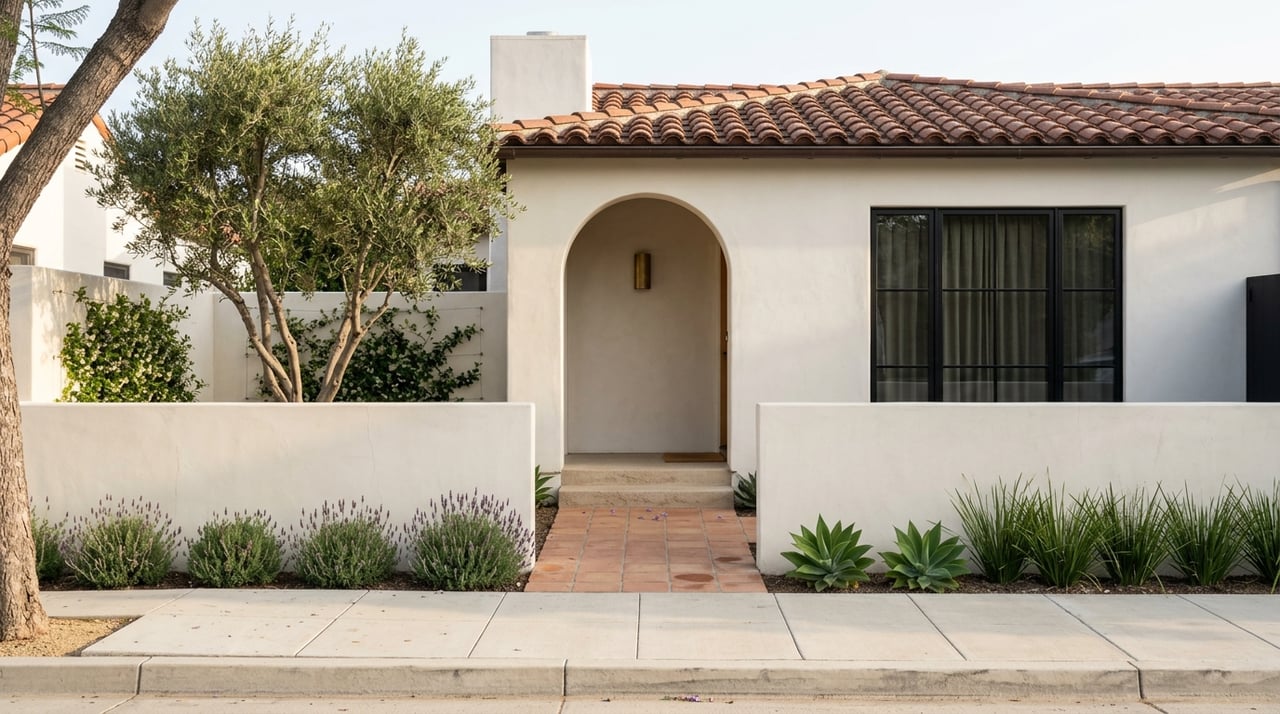
Westwood UCLA Neighborhood Guide for Future Buyers
If you picture owning near UCLA as a classic single-family-home search, Westwood may surprise you. This is a neighborhood where campus energy, walkability, and everyday access to arts and dining shape daily life, and where the ownership options close to UCLA often look more like condos than large detached homes. If you are thinking about buying here, it helps to understand how Westwood is built, how people move around, and what tradeoffs come with the location. Let’s dive in.
Owning a home near UCLA usually means buying into a dense, campus-adjacent neighborhood rather than a traditional house-heavy district. According to the City of Los Angeles Westwood Community Plan, 84% of housing units are in multiple-dwelling neighborhoods. The same plan notes an average net density of 55 units per acre for multi-family housing.
That matters because it sets expectations early. If you want to own close to campus, you are more likely to be looking at a condo, townhome-style unit, or another multifamily format than a large-lot detached home.
Westwood has a layered neighborhood pattern. The community plan protects single-family areas while directing higher-density residential uses near commercial centers and major bus routes. In plain terms, the closer you get to UCLA and the Village, the more urban the housing pattern tends to feel.
Westwood Village itself is described by city planning as a pedestrian-oriented, low-rise community center made up almost entirely of storefronts between UCLA and Wilshire Boulevard. That storefront-heavy core gives the area a steady flow of activity during the day and into the evening.
If you like being able to step out for coffee, groceries, a meal, or a performance without planning your whole day around the trip, this setup can feel very convenient. If you prefer quiet, detached-home streets right next to campus, your options may be more limited.
The housing pattern around UCLA is not uniform. Different parts of Westwood offer different ownership formats and street character.
Along Wilshire Boulevard between Westwood Village and the Los Angeles Country Club, the community plan identifies high-rise condominiums and rental housing. South of Wilshire, along Hilgard, and on parts of Sepulveda, low-rise multifamily housing is more common.
The plan also references student housing within one mile of UCLA and notes rental housing in North Westwood Village, East Westwood Village, and south of Wilshire. So while Westwood is not all student housing, university-oriented demand is part of the area’s day-to-day reality.
For many buyers, condos are the most practical path to ownership near UCLA. That is a natural result of the local land-use pattern, the high share of multifamily housing, and the limited supply of detached homes close to the campus core.
This does not mean every buyer wants the same thing. Some people are looking for a primary residence with easier access to campus and Westwood Village, while others may be drawn to a lower-maintenance ownership style in a location with strong daily convenience.
From a practical standpoint, condo-first neighborhoods ask you to think carefully about layout, building style, parking, and how much street activity you want around you. Those details can shape your experience just as much as square footage.
One of the biggest advantages of owning near UCLA is that everyday errands and social plans can stay close to home. UCLA notes that Westwood Village includes restaurants, movie theaters, clothing stores, convenience stores, and four supermarkets on Le Conte Avenue, Gayley Avenue, Glendon Avenue, and Westwood Boulevard at Ohio Avenue.
The Village’s restaurant directory shows a wide range of dining choices, including casual spots, brunch options, vegetarian choices, and a variety of international cuisine. Current examples listed include Barney’s Beanery, Wolfsglen, Toranj, Gogobop Korean Rice Bar, Bollywood Bites, CAVA, Bella Pita, Kopan Sushi & Ramen Bar, and Pinches Tacos.
There is also a weekly public market rhythm built into the neighborhood. The Westwood Village Farmers Market is held every Thursday in historic Westwood Village, with produce, hot-food vendors, and artisan goods.
Living near UCLA gives you access to much more than classroom buildings and busy sidewalks. The area has a strong concentration of museums, performances, and public arts programming that can become part of your regular routine.
The Hammer Museum offers free admission and free public programs, including lectures, film screenings, readings, and musical performances. The Fowler Museum also offers free admission and focuses on global arts and cultures.
Westwood also has a major live-theater presence. Geffen Playhouse, which is associated with UCLA, welcomes more than 130,000 audience members each year. UCLA’s Center for the Art of Performance stages events at Royce Hall, Freud Playhouse, the UCLA Little Theater, the Glorya Kaufman Dance Theater, the United Theater on Broadway, and the UCLA Nimoy Theater on Westwood Boulevard.
For a homeowner, this means cultural outings do not have to feel like a special production. In Westwood, talks, exhibits, and performances can be part of an ordinary week.
Dense neighborhoods often raise the same question: is there enough outdoor relief? In Westwood, the answer is yes, especially compared with what many people expect from a campus-adjacent area.
The Franklin D. Murphy Sculpture Garden spans more than five acres and includes more than 70 sculptures. UCLA’s Mathias Botanical Garden is a 7.5-acre public living museum, and Sage Hill offers a 3.5-acre native habitat and outdoor learning space.
The city-operated Westwood Recreation Center adds another layer of recreation. It includes a lighted soccer field, baseball diamonds, indoor and outdoor basketball courts, an aquatics facility, picnic tables, and other community features.
Mobility is one of Westwood’s major strengths, especially if you want options beyond driving everywhere. UCLA lists Metro lines 2/302, 20, 720, 734, and 788, along with Santa Monica Big Blue Bus lines 1, 2, 3M, 8, and Rapid 12, Culver City Bus 6, and the BruinBus shuttle network.
If you live close to campus or the Village, walking and biking can also be realistic for many daily trips. That can make the area appealing if you prefer a more car-light routine.
For drivers, UCLA is just east of the 405 Freeway, with convenient access from Wilshire Boulevard and Sunset Boulevard. At the same time, location convenience does not erase traffic or parking pressures.
If you are buying in Westwood, parking deserves real attention. UCLA’s housing guidance says street parking is hard to find in the area west of campus.
That does not mean Westwood is impossible for car owners. It does mean that secure building parking, guest parking, and your own daily access pattern should be part of the buying conversation from the start.
This is especially important when comparing two properties that seem similar on paper. In a dense neighborhood, a better parking setup can make a meaningful difference in how easy the home feels to live in.
Long-term buyers often want to know what may improve over time. Metro’s D Line Subway Extension is under construction and will add nine miles of subway service with seven new stations between Koreatown and Westwood.
For buyers planning several years ahead, that project matters. It points to stronger regional access to the Westside and the UCLA area once completed.
Owning near UCLA can be a great fit if you value walkability, cultural access, transit options, and a location where daily errands are close at hand. It can also work well if you are open to condo living or other multifamily ownership formats that match the neighborhood’s housing pattern.
The tradeoffs are just as important to understand. Near campus, the environment is busier, the ownership mix is more condo-heavy, and parking can take more planning than in lower-density parts of the Westside.
In other words, Westwood offers a very specific kind of ownership experience. If that experience matches how you want to live, it can be one of the most convenient and engaging places to own on the Westside.
If you are weighing Westwood against other Westside neighborhoods, it helps to talk through not just price and property type, but also your day-to-day habits. The right fit often comes down to how much you value being close to campus life, cultural venues, transit, and the Village’s pedestrian-friendly core.
When you want calm, experienced guidance on buying or selling Westside property, Terry Ballentine offers the kind of steady local perspective that helps you make a confident move.


With more than 50 years in Westside real estate, Terry Ballentine offers unmatched expertise in Marina del Rey, Venice, and nearby coastal communities. He provides personalized guidance for buyers, sellers, and investors, earning long-term trust and repeat clients. Terry’s hands-on approach and deep local knowledge ensure every transaction is handled with care and precision.
Terry Ballentine | CA DRE# 00588883
124 Washington Blvd Marina Del Rey, CA 90292